





Healthy Habitats

Creating thriving habitats across East Dartmoor that deliver measurable biodiversity gains, powerful sustainability stories, and a lasting legacy for nature.

The creation and enhancement of habitats across the East Dartmoor landscape will support charismatic species with strong symbolic and public appeal, making them powerful storytelling tools for your sustainability campaigns and enhancing your brand reputation.


We have developed a set of high-quality, reliable habitat-focused projects that will deliver genuine environmental stewardship. Our projects are delivered by a collection of publicly recognised conservation organisations, ensuring the high-quality outcomes with expert long-term habitat management and monitoring.

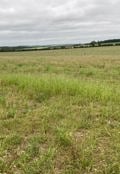
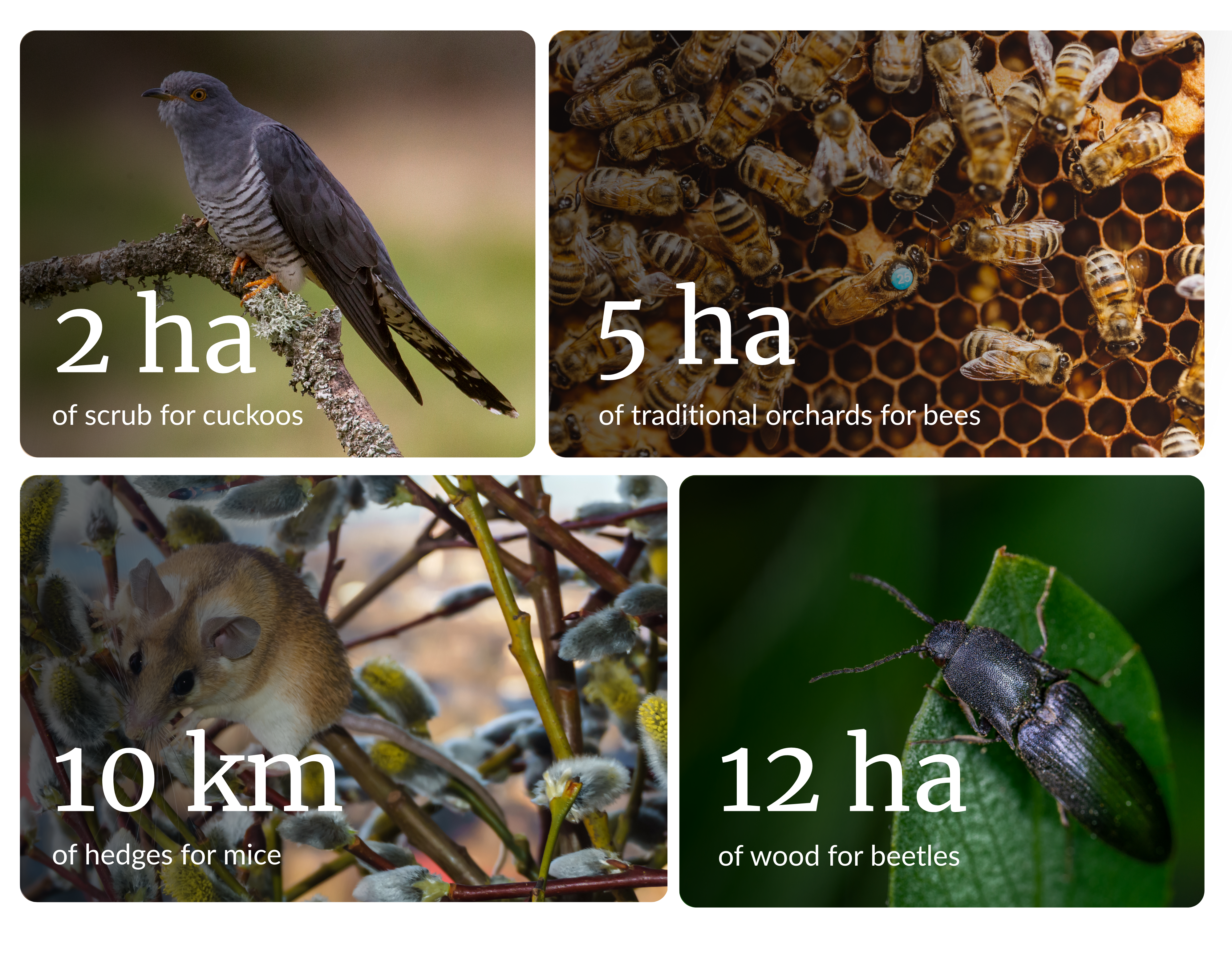
2 hectares of scrub

Delivering a structurally diverse habitat which provides essential shelter and foraging opportunities for wildlife. The berries and insects found in scrub deliver critical autumn and winter food sources for birds including cuckoos, whose birdsong has captivated cultures for centuries.

5 ha of traditional orchards

Where heritage fruit varieties will support honeybee populations. These industrious insects visit a multitude of plant species and transfer substantial pollen loads, contributing to the productivity of 70 UK crop species. The creation and conservation of these orchards will be driven by the local community.

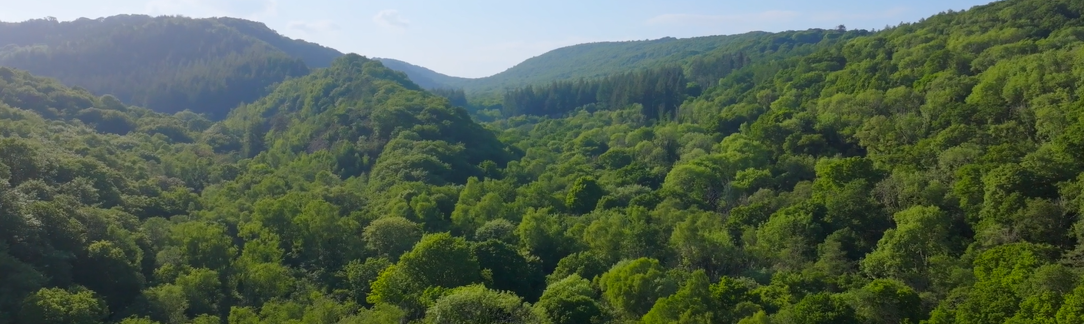
12 ha of native broadleaved woodlands

Which will support the blue ground beetle, a stunning nocturnal hunter found only in a handful of UK locations. This intriguing beetle clambers through the canopy after dark to feed on slugs, showcasing a hidden world of biodiversity at night.

10 km of hedgerows

Which will act as green corridors reconnecting isolated habitats across the landscape. Hedgerows deliver nutrition, refuge, and breeding sites for the charismatic hazel dormouse, a real ambassador for conservation.

The project will also contribute to the enhancement of existing habitats:

Veteranisation of up to 200 trees

The loss of ancient trees has led to a loss of abundance of the habitats they provide and the species they support including the blue ground beetle. Strategically veteranising trees will create these crucial habitats to ensure biodiversity can thrive in our forests.

Restoration of 100-ha of plantations on ancient woodlands

PAWs may look like ordinary plantations, but they hold the hidden legacy of ancient forests and are a key priority for restoration. Scattered among the trees lie veteran oaks, carpets of bluebells, and rare wildflowers.

Search Bidwells